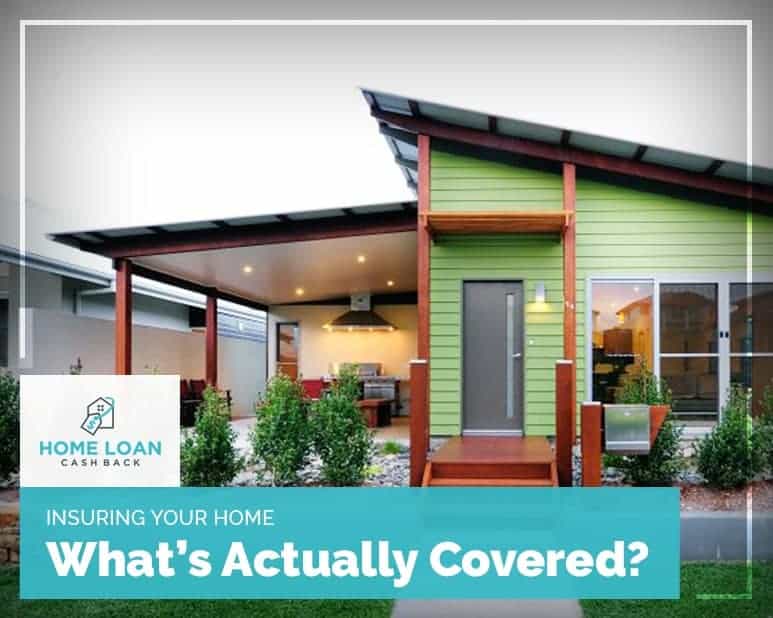
At Home Loan Cash Back, we’re here to help you make the most out of your new home experience, by providing you with the best deal on your mortgage. Not only will we help you to find the deal that works for you, but we’ll also give you 50% of our commissions in ongoing cash back. That means that getting your dream home is easier – but what are you going to do to protect your property once you’ve bought it?
Having home insurance for your property is by far one of the best ways that you can protect your available assets. However, it’s important to know exactly what your policy covers, and what you might be liable to pay for if anything goes wrong.
The Types of Home Insurance
Depending on the level of cover you require, insurers typically offer a range of different policies to protect you and your home. For instance, you might get:
- A “home” policy that covers your fixtures and fittings.
- A contents policy that covers any damage or loss to the contents of your premises (anything that isn’t nailed down)
- A combined policy that provides protection for both the contents and the home.
If you’re buying a home to rent out to other people as a landlord, then you’re probably not too interested in protecting the contents belonging to your tenant. A home policy tailored to rental insurance will be better for your circumstances. If you’re looking to protect a property that you’re living in, on the other hand, then you’ll need protection for everything.
The Product Disclosure Statement
When it comes to buying insurance for your home, your product disclosure statement is your comprehensive guide to everything that is and isn’t included in your policy. Make sure that you request a copy of the statement from your insurer and read through it thoroughly. You should also keep this policy somewhere that you can remember to find it for future reference.
You may also find that after reading through your product disclosure agreement, a range of items you expected to be covered in the policy are excluded, or optional according to an additional premium. For instance, these might include:
- Accidental damage: Dropping a plate on the floor and breaking a tile, for instance.
- Motor and electrical burnout.
- Temporary accommodation if the property is uninhabitable for any reason.
- Portability if the contents of your property are lost or stolen from a place beyond your premises.
Of course, on the flip side, you may find that you’re covered for a lot more than you expected, it all depends on your insurance and the level of coverage you’re considering taking out for your home.
Don’t be Underinsured
Insurance can feel like yet another expense left to pay when you’re dealing with the costs of moving and buying a home. However, when it comes to calculating your business and contents insurance, it’s better to overestimate than underestimate. By planning ahead and thinking carefully about the value of your home and contents, you’ll have a better chance to recover the same value of your property in the unfortunate event that you lose something due to an unpredictable disaster.
If you have items that are of a higher value than most, then it’s important to make sure that you list these things separately on your policy. You may pay a little extra for that coverage, but you’ll also be able to rest with peace of mind, knowing that you can recoup the costs of anything you lose.
